Vietnam's tropical climate—with its high humidity, temperature fluctuations, and moisture—poses unique challenges for natural fiber products. Unlike synthetic alternatives, seagrass and water hyacinth are organic, breathing materials that absorb environmental moisture. Without proper care, this vulnerability can lead to mold growth, fiber weakening, unpleasant odors, and shape distortion. Yet with the right maintenance strategy, these beautiful, sustainable pieces can remain as vibrant and functional as the day they arrive. This guide equips exporters, retailers, and end consumers with practical, climate-adapted care techniques to extend product lifespan and ensure customer satisfaction.
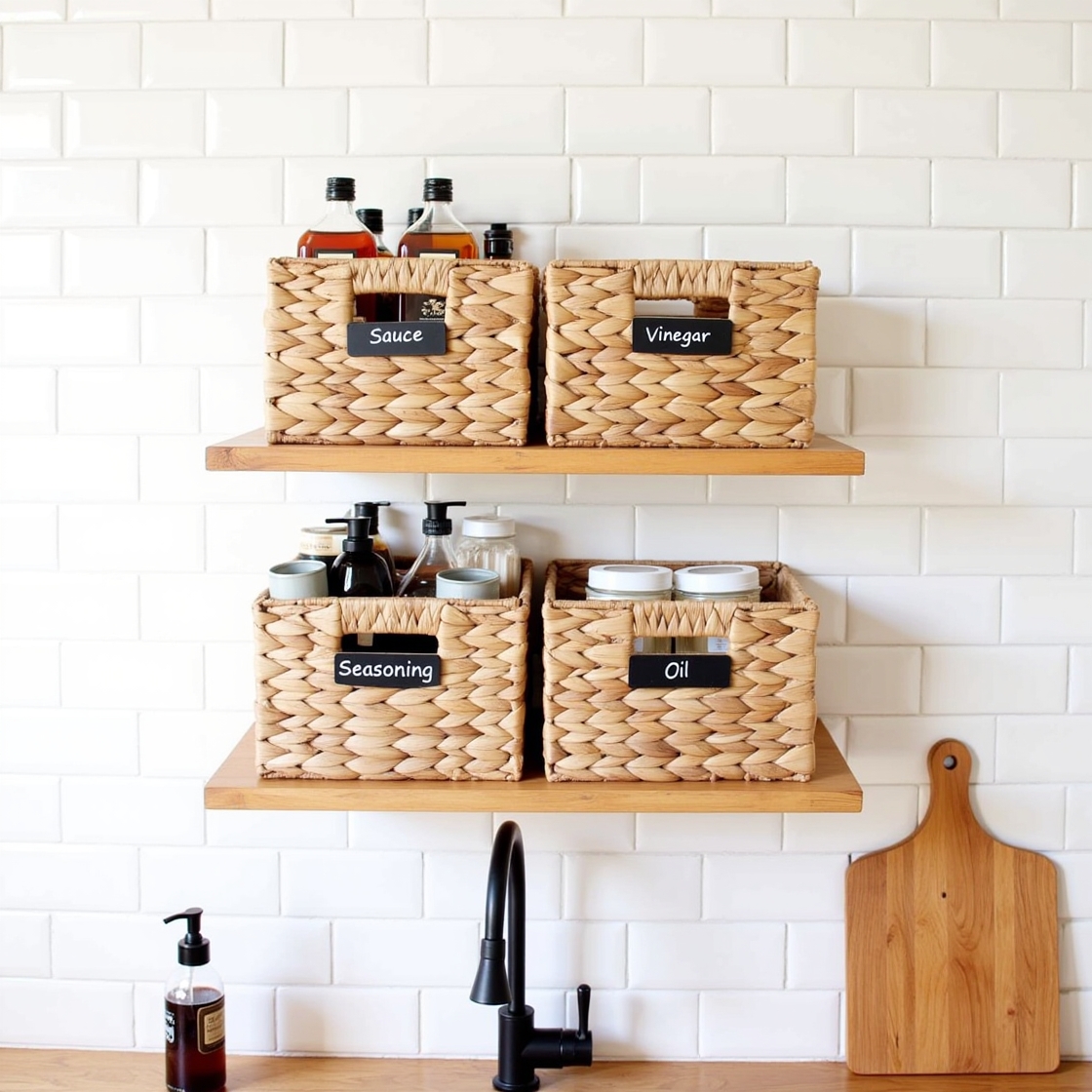
Seagrass is a salt-water plant with tightly woven fibers, naturally more resistant to moisture than water hyacinth. Its strength makes it ideal for durable baskets, planters, and storage solutions. However, prolonged dampness can still cause fiber expansion and discoloration.
Water Hyacinth, harvested from freshwater sources, has hollow stems that make it lightweight and flexible—perfect for organizers and decorative pieces. Its porous nature means it absorbs moisture more readily, requiring more vigilant humidity management.
Both materials share a critical vulnerability: they thrive in dry, well-ventilated environments and suffer when trapped in moisture-rich conditions.
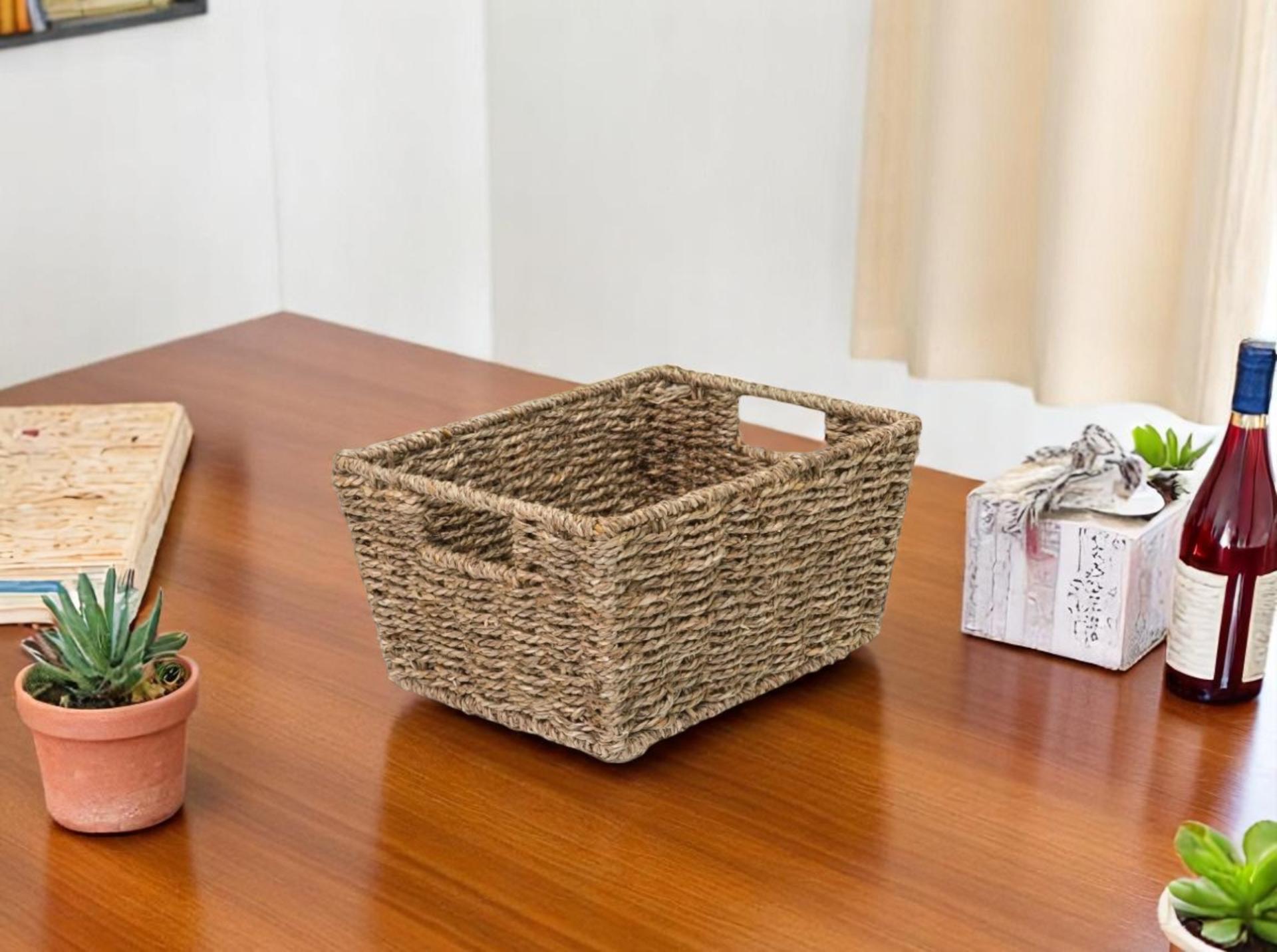
The first line of defense is environmental control:
Keep baskets in dry, well-ventilated spaces away from bathrooms, kitchens, and areas with high humidity fluctuation
Maintain indoor humidity between 40–55% using dehumidifiers or natural moisture absorbers (silica gel packets, activated charcoal)
Avoid direct placement on concrete floors or damp surfaces; use small risers or shelving to allow air circulation underneath
Rotate products regularly if stored long-term to prevent moisture accumulation in one area
Sun is a natural mold preventative and odor eliminator—but excess UV damages fibers:
Place products in indirect sunlight for 2–3 hours monthly to naturally kill mold spores and remove trapped moisture
Avoid harsh midday sun or prolonged direct exposure, which can bleach, fade, or make fibers brittle
For outdoor storage, use shaded areas with consistent airflow rather than fully exposed locations
If placing baskets in moisture-prone areas, use preventive measures:
Add cotton liners or inserts inside baskets to protect fibers when storing damp items, laundry, or food
Apply natural protective coatings such as beeswax-based sprays or non-toxic mold-resistant sealants (especially recommended for tropical climates)
Never store baskets directly against cold walls where condensation accumulates
Remove surface dust before moisture can settle into weaves:
Use a soft microfiber cloth, feather duster, or vacuum with brush attachment on low suction
Gently clean between weaves without pressing hard, which can damage fibers
Pay special attention to corners and bases where dust collects
Prevent hidden moisture and odors:
Place products in indirect sunlight for 2–3 hours monthly
Ensure the area has good air circulation (open windows, ceiling fans)
This natural drying process inhibits mold and removes musty smells without chemical intervention
Act immediately to prevent moisture absorption:
Blot spills with a dry cloth right away—do not rub, which damages fibers
For sticky residue, use a damp (not wet) cloth with mild soap solution (1 teaspoon dish soap to 1 cup water)
Wipe clean with a fresh damp cloth and dry thoroughly with a towel
Allow the item to air dry completely in a well-ventilated space
For marks that resist gentle cleaning:
Seagrass: Use fine sandpaper (220 grit) very gently on the surface, then vacuum
Water Hyacinth: Mix baking soda and water into a paste, apply to the stain, gently brush, wipe clean, and dry in sunlight
Avoid harsh chemicals or excessive scrubbing, which can unravel or weaken fibers
Even with preventive care, tropical humidity can cause occasional mold. Address it quickly:
Vinegar Solution: Mix equal parts white vinegar and water, apply with a soft cloth to affected areas, let sit for 15 minutes, then wipe and dry in sunlight
Tea Tree Oil: Mix 10 drops of tea tree oil with 1 cup water, apply to mold spots, brush gently, and allow to air dry
Baking Soda Paste: Apply to visible mold, gently brush with a soft brush, wipe clean, and place in indirect sunlight for several hours
Never use bleach or harsh chemicals, which can weaken fibers and harm the ecosystem
Air the item in shaded sunlight for 2–4 hours following treatment
Ensure complete dryness before returning to storage to prevent recurrence
Inspect regularly over the next 2 weeks for signs of returning mold
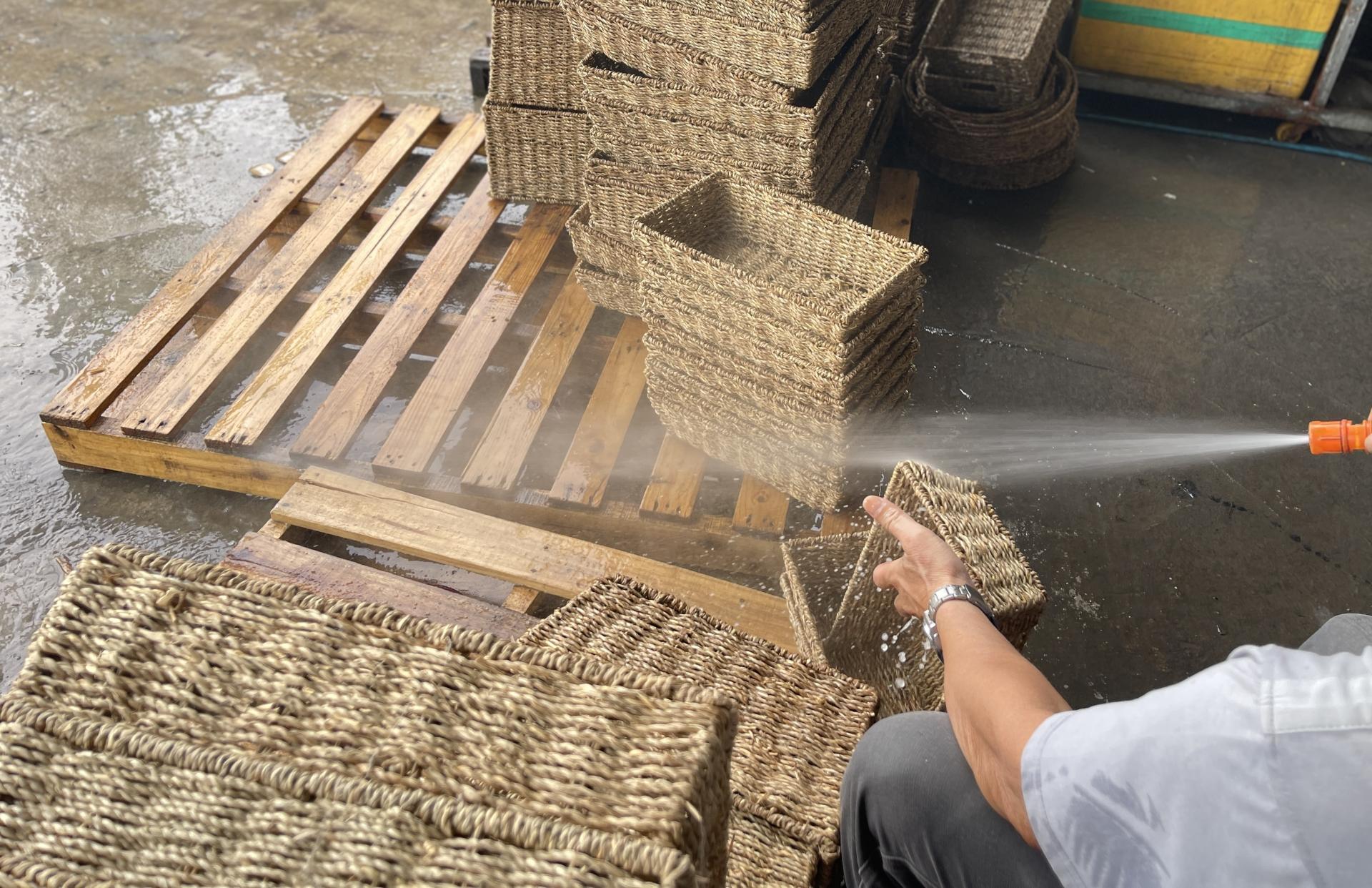
With age or storage, baskets may lose their original shape:
Mist the item lightly with water (not soaking)
Gently reshape by hand to the original form
Allow to air dry completely while holding the correct shape to help it set
Avoid forcing, which can crack or unravel weaves
Store shaped items on shelving rather than stacked, which can cause permanent deformation
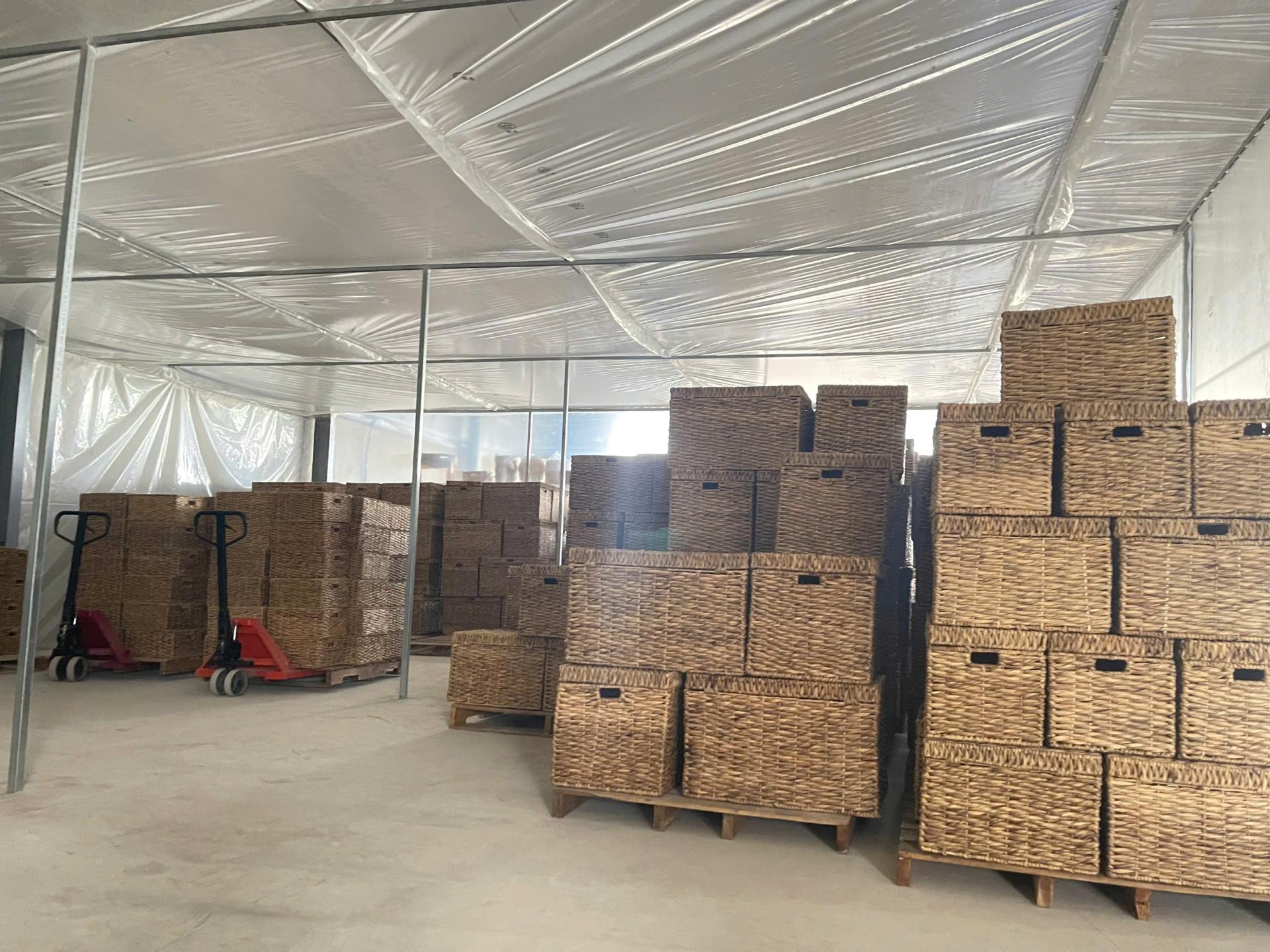
For exporters and wholesalers:
Use breathable packaging materials (kraft paper, cotton wrapping) rather than plastic, which traps moisture
Add silica gel packets or activated charcoal inside boxes to absorb ambient humidity
Label boxes with "Keep Dry" warnings and humidity indicators
Ensure storage areas have dehumidifiers and consistent ventilation
Check shipments periodically during long transport or warehouse storage for early signs of moisture damage
Stack boxes with air gaps to allow circulation; never seal tightly
Natural fiber products are investments in beauty and sustainability. By understanding the unique needs of seagrass and water hyacinth, managing moisture and humidity, and following simple, consistent care routines, you ensure that these handcrafted treasures remain vibrant, functional, and meaningful for years to come. Whether you're a distributor, retailer, or end consumer, treating these materials with the attention they deserve honors both the artisans who created them and the environments that produced them.