1. The Renewable Resource Behind Your Baskets
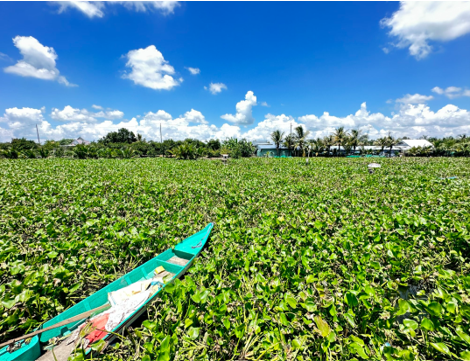
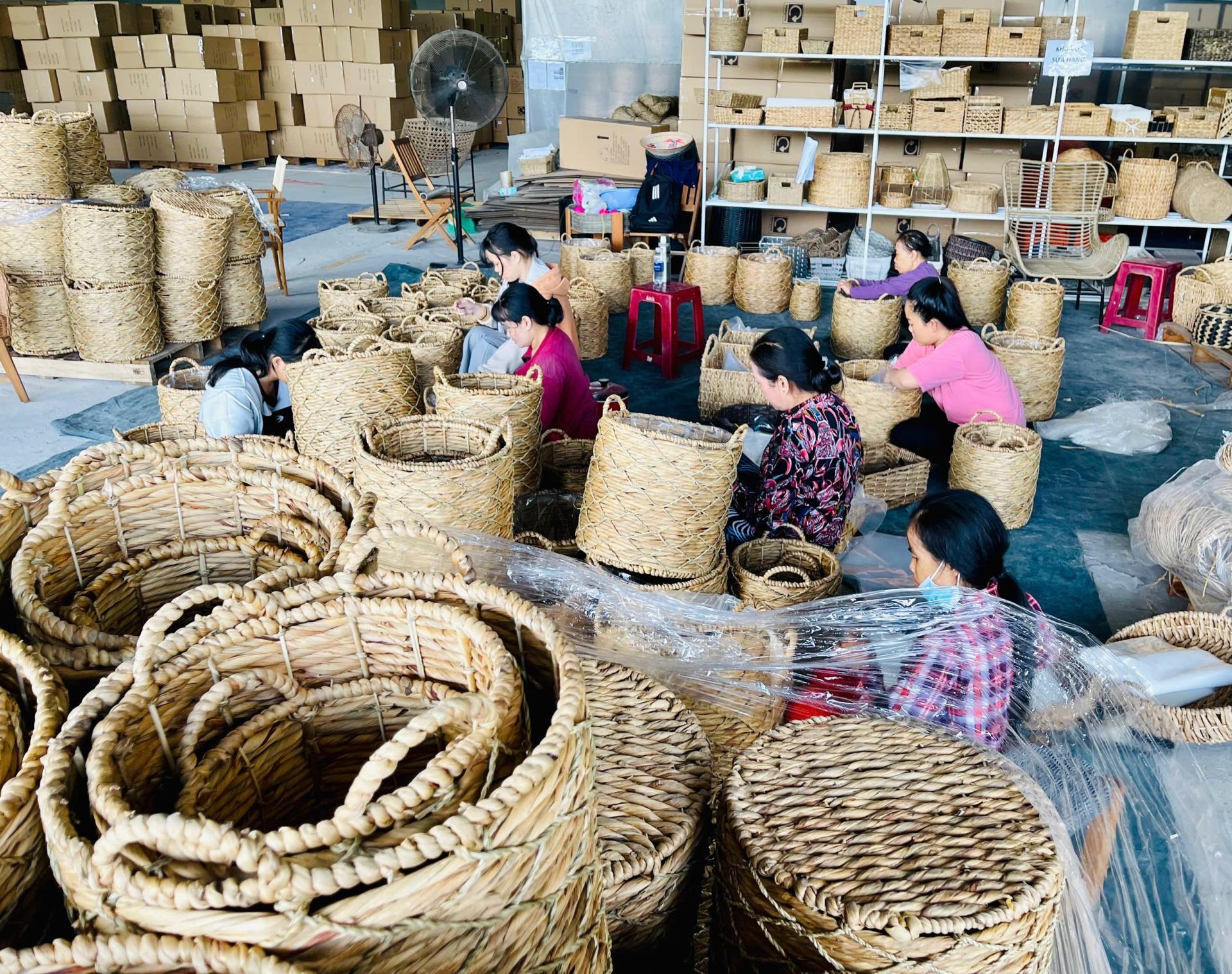
Unlike plastic baskets made from non-renewable fossil fuels, seagrass and water hyacinth are fast-growing marine and freshwater plants that replenish naturally. Explain how water hyacinth—once considered a problematic weed in Vietnamese waterways—has been transformed into a valuable, sustainable material through traditional weaving techniques passed down through generations.
Key talking points:
Water hyacinth grows naturally in Vietnamese river systems
Harvesting supports the rural economy while clearing invasive plant growth
Each part of the plant is utilized (green leaves for food, roots for fertilizer, dried fibers for crafts), eliminating waste
2. Why Seagrass Baskets Beat Plastic (Environmentally & Aesthetically)
Present the stark comparison: plastic baskets take 100–1,000 years to decompose, while seagrass baskets are completely biodegradable and compostable. As a bonus, they're handcrafted by skilled Vietnamese artisans, adding cultural authenticity that mass-produced plastic can never match.
3. Quality Control Meets Ethical Sourcing
Tie this to CHI Collection's own practices. Mention your stringent quality control measures throughout the manufacturing process—from raw material selection to final packaging—and your compliance with international standards. Highlight how supporting Vietnamese handicraft exporters strengthens sustainable livelihoods in rural artisan communities.
4. Design Trends Meet Sustainability
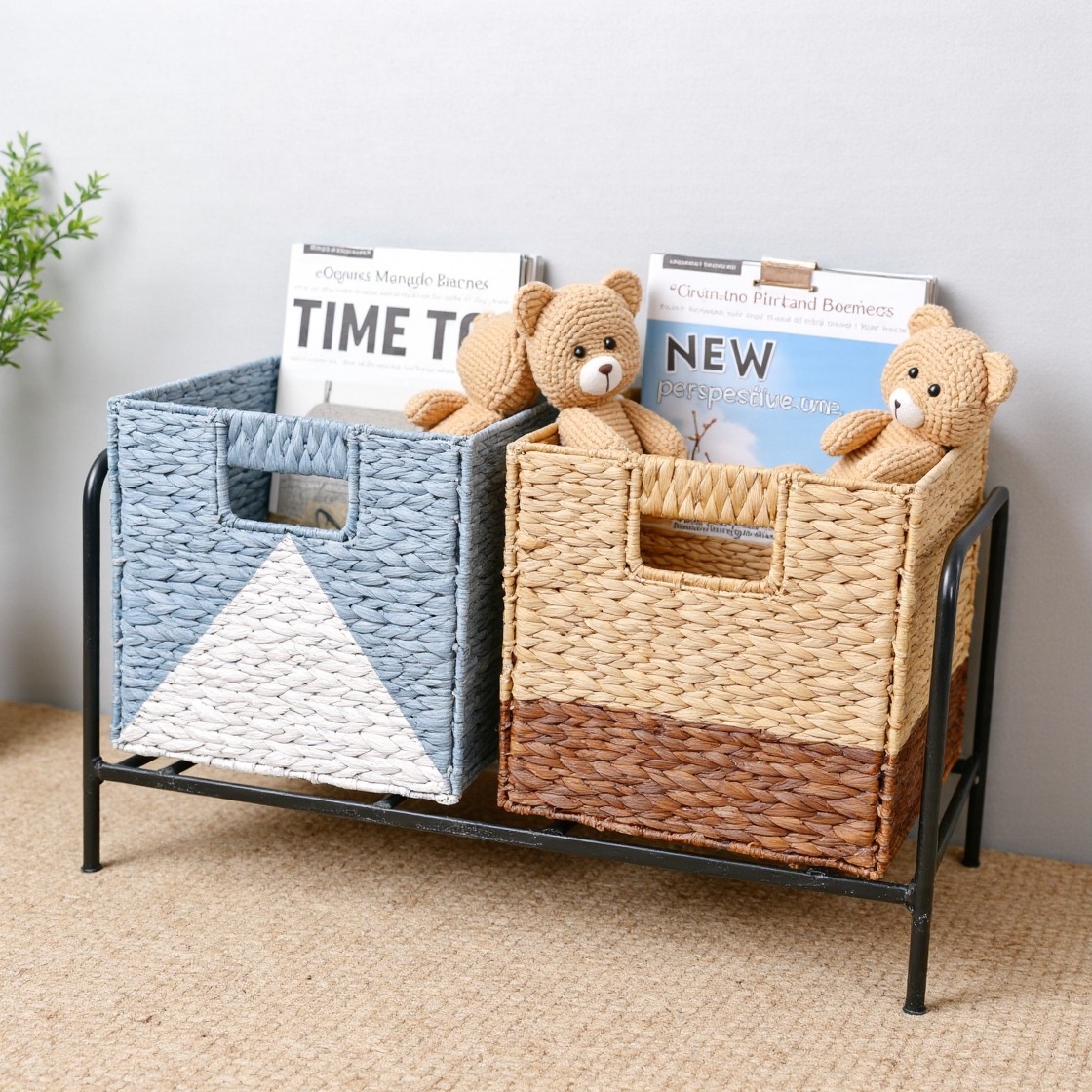
2025 design trends favor textured, artisanal pieces in natural colors and materials. Handwoven seagrass and water hyacinth baskets perfectly fit country-primitive, minimalist, and biophilic design aesthetics that are dominating interior design right now. Include examples of how customers style these baskets in living rooms, bedrooms, and bathrooms.