The 2025 interior design landscape reveals a striking transformation. Consumers are no longer choosing between beauty and sustainability—they demand both. Research shows that dark wood furniture paired with sustainable materials and vintage-inspired pieces made from reclaimed resources now dominate design trends across North America and Europe.
The eco-friendly furniture market alone reached USD 50.44 billion in 2024 and is projected to grow to USD 54.57 billion in 2025. This growth is driven by several interconnected trends:
Circular Economy Materials: Furniture and home decor manufacturers are shifting away from single-use production models toward designs intended for disassembly, reuse, and regeneration. Reclaimed wood, recycled metal composites, and upcycled vintage pieces are no longer cost-cutting alternatives—they're premium market segments.
Wellness-Centered Design: Buyers are specifically selecting furniture and decor made with non-toxic processes that emit minimal volatile organic compounds (VOCs). Studies demonstrate that homes furnished with certified sustainable pieces show up to 90% reduction in indoor air pollutants, directly improving health outcomes.
Biophilic Integration: Beyond traditional plant placement, 2025 design emphasizes living walls, natural materials, and organic textures. Natural fibers like seagrass, water hyacinth, bamboo, and rattan—core products from Vietnamese craft villages—are experiencing unprecedented demand.
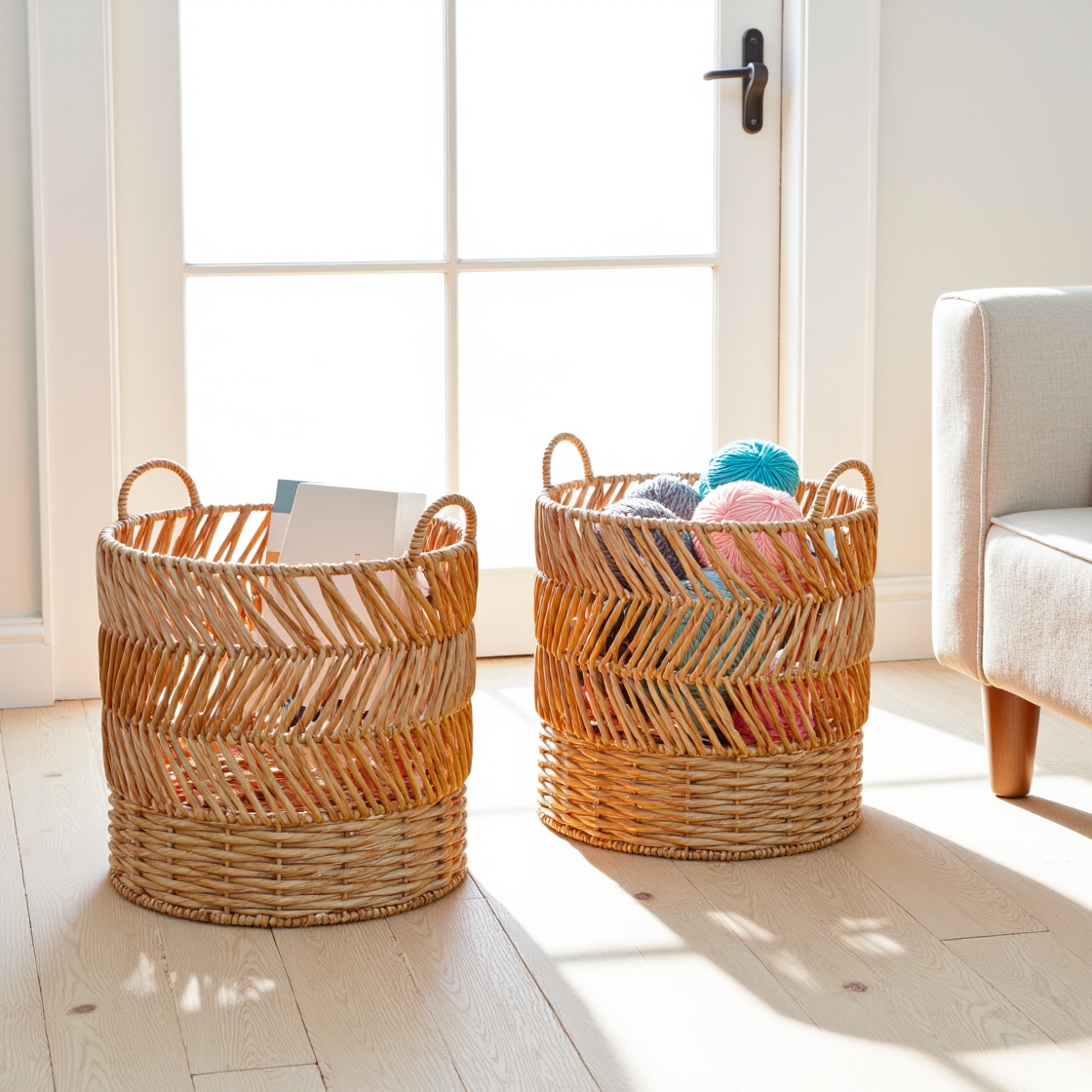
Vietnam's handicraft exports reached USD 3.5 billion in 2023 and are targeting USD 4 billion by 2025. What makes Vietnamese handicrafts uniquely positioned for this growth?
Vietnam possesses abundant natural resources perfectly aligned with 2025 sustainability trends:
Bamboo: Often described as the most sustainable material available, bamboo forests regenerate every 3-5 years. Bamboo products offer the combination of rapid renewability, biodegradability, strength, and light weight—ideal for home decor applications. Vietnamese bamboo weaving, particularly from the Northeastern states, produces baskets, lampshades, trays, and furniture that command premium prices in global markets.
Water Hyacinth and Seagrass: These aquatic plants grow rapidly in Vietnam's waterways and require minimal agricultural input. Transformed into baskets, wall hangings, and decorative pieces, they represent zero-waste transformation of abundant local resources. For international buyers seeking eco-friendly, exotic-looking home decor with authentic cultural provenance, Vietnamese water hyacinth and seagrass products are unmatched.
Rattan: Vietnam exports rattan products globally, with even eight-month figures in 2025 reaching nearly USD 575 million. Rattan's durability, natural beauty, and ability to be produced with minimal environmental impact make it a cornerstone of sustainable home furnishing.
Reclaimed and Certified Wood: Vietnamese manufacturers increasingly use FSC-certified wood and reclaimed wood sources. This certification ensures wood comes from responsibly managed forests that maintain biodiversity, protect workers' rights, and provide community benefits. For European and North American buyers—critical markets for Vietnamese handicrafts—FSC certification is often a non-negotiable requirement.
Vietnamese handicraft production methods inherently align with modern sustainability demands. Traditional weaving, carving, hand-dyeing with natural dyes, and embroidery techniques represent zero-waste, labor-intensive processes that produce durable, long-lasting products.
These traditional methods also create a powerful marketing narrative. Consumers in developed markets increasingly recognize that buying handcrafted products preserves cultural heritage, supports living artisans, and produces superior quality compared to mass manufacturing. A hand-woven seagrass basket from Vietnam isn't simply home decor—it's a tangible connection to centuries-old craftsmanship.

Vietnam's handicraft sector is experiencing several convergent tailwinds worth understanding:
E-commerce Growth: Vietnam ranks in the top 3 Southeast Asian countries for e-commerce market growth. Digital sales channels like Amazon Handmade, Etsy, and independent Shopify stores have democratized access to international buyers, eliminating the need for large-scale intermediaries. A skilled artisan in Ho Chi Minh City can now reach global buyers directly through digital platforms.
Trade Show Participation: Annual events like VIFA ASEAN, Ambiente (Germany), Maison & Objet (France), and Global Sources (Hong Kong) continue to connect Vietnamese producers with international buyers. These events specifically attract retailers seeking sustainable, handcrafted products to differentiate their offerings.
Supply Chain Transparency Demand: Major Western retailers now expect documented supply chains with verifiable origin information. Digital tools and blockchain-based product tracking are becoming standard. Vietnamese exporters implementing these systems gain competitive advantages with quality-conscious international buyers.
Market Gaps in Competitor Supply: China dominates mass-produced home decor but cannot credibly market itself as artisan-driven or culturally authentic. India faces increasing labor practice scrutiny. Vietnam's combination of abundant resources, genuine artisan communities, and improving regulatory compliance creates market openings.
.jpg)
For CHI Collection and similar Vietnamese handicraft exporters, implementing robust sustainable sourcing creates both ethical and commercial advantages:
1. Establish Direct Relationships with Artisan Communities
Rather than sourcing through multiple intermediaries, direct relationships with craft villages enable:
Verified fair wage payments
Quality control throughout production
Documentation of sustainable practices
Stories and provenance for marketing
Vietnam's craft villages are increasingly organized into cooperatives and associations. Building partnerships with village associations rather than individual artisans improves scalability and consistency.
2. Implement Material Traceability Systems
Document the journey of materials from source to finished product:
Record specific bamboo sources and harvest practices
Document water hyacinth collection and processing
Verify wood certifications (FSC, PEFC)
Track natural dye sources and production methods
This documentation becomes marketing collateral for digital platforms and trade shows. International buyers increasingly want to know: "Where did this material come from? Who made it? What were the environmental and labor practices?"
3. Prioritize Low-Impact Production Methods
Natural Dyes: Guide artisans toward plant-based dyes rather than synthetic chemical dyes. This reduces water pollution, improves worker safety, and aligns with premium market positioning.
Water Management: Implement efficient water usage in weaving, dyeing, and finishing processes. Water scarcity is increasing globally; buyers recognize water-conscious production.
Waste Minimization: Transform production scraps into secondary products (coasters, smaller baskets, craft materials). Zero-waste positioning commands premium pricing.
Energy Efficiency: Encourage adoption of solar drying, natural ventilation, and efficient hand tools to reduce energy consumption.
4. Pursue Relevant Certifications
FSC Certification (Forest Stewardship Council): For wood-based products
GREENGUARD Certification: For indoor air quality and low-emission products
Fair Trade Certification: Through organizations like Fair Trade International or Fair Trade USA
WFTO Membership: World Fair Trade Organization provides credibility without requiring full certification
Certification costs are significant, but the pricing premium and market access typically justify investment within 18-24 months.
5. Develop Transparent Marketing Narratives
Sustainability must be communicated effectively. Create marketing materials that:
Feature the artisans and communities behind products
Document production processes with video and photography
Explain material sustainability (regeneration cycles, biodegradability, etc.)
Quantify environmental benefits (water saved, emissions prevented, waste diverted)
Highlight cultural heritage and craft preservation
International buyers increasingly make purchases based on story and impact, not just price.
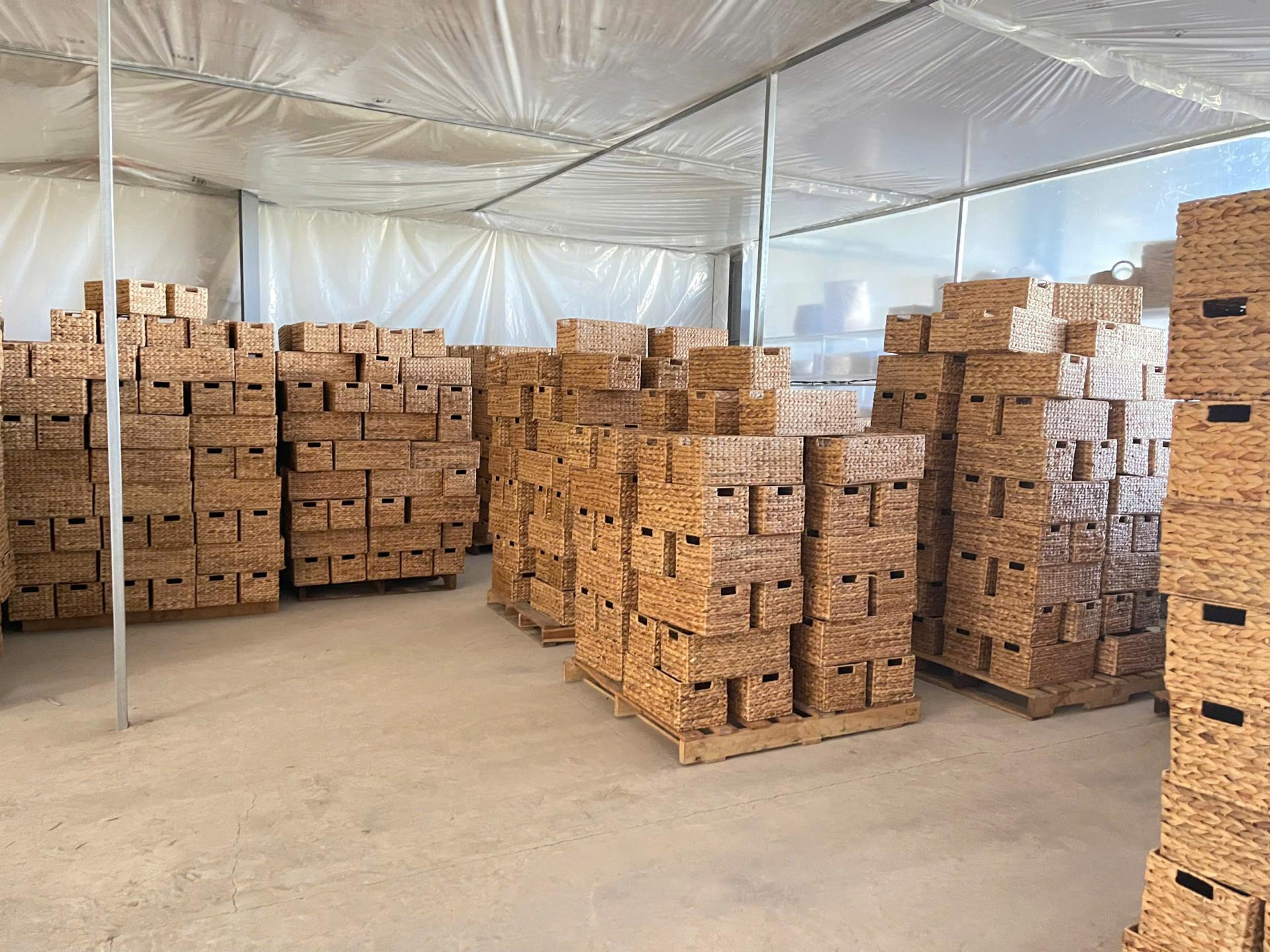
A critical insight from Vietnamese handicraft industry analysis: Every USD 1 million in handicraft exports generates 5-10 times more profit than many other commodities. This high margin structure reflects premium pricing for quality and craftsmanship.
Sustainable sourcing, rather than reducing these margins, actually enhances profitability by:
Justifying 20-50% price premiums in developed markets
Reducing costly supply chain disruptions through direct sourcing relationships
Accessing premium retail channels (specialty stores, museum gift shops, upscale online platforms)
Building customer loyalty through authentic sustainability commitment
Creating recurring orders as international buyers develop exclusive product relationships

Vietnamese handicraft exporters should understand sector-wide challenges:
Challenge: Design Innovation
Many Vietnamese craft villages excel at production efficiency but lag in contemporary design. Buyers increasingly seek products that blend traditional technique with modern aesthetic.
Solution: Partner with design consultants or design schools to refresh product lines. Attend international trade shows to understand emerging trends. Collaborate with international designers remotely through digital platforms.
Challenge: Production Standardization
Handicraft products naturally vary. International buyers expect consistency in sizing, finish, and quality.
Solution: Develop detailed production specifications. Implement quality control checkpoints. Assign the most skilled artisans to consultancy processes for new designs.
Challenge: Compliance and Documentation
International markets increasingly require certificates of origin, material testing reports, labor compliance documentation, and environmental impact assessments.
Solution: Invest in documentation systems. Partner with export consultants familiar with destination country requirements. Join industry associations that provide guidance.

Vietnam's handicraft industry stands at an inflection point. The sector accounts for only 0.35% of the global USD 1,107 billion handicraft market—a massive untapped opportunity. With global sustainability spending accelerating, international design trends favoring natural materials, and consumer willingness to pay premiums for ethical production, Vietnamese handicraft exporters with robust sustainable sourcing systems are positioned for extraordinary growth.
The market isn't choosing between profit and sustainability. In 2025, sustainable practices are the pathway to profitability, market differentiation, and business resilience.
For companies like CHI Collection, now is the optimal moment to formalize sustainable sourcing practices, pursue relevant certifications, and leverage these as core marketing positioning. The products are excellent. The market demand is unprecedented. The infrastructure in Vietnam supports this transition. Success requires commitment to transparency, quality, and authentic partnership with artisan communities.
The future of Vietnamese handicraft exports is sustainable—and profitable.