The numbers tell a compelling story. Today's consumers are increasingly rejecting mass-produced items in favor of handcrafted, ethically-sourced products. What's driving this change? A growing awareness that the choices we make for our homes ripple across the planet.
Consider this: natural handicrafts have a significantly smaller carbon footprint compared to mass-produced furniture and decor. Why? Because artisanal production is inherently more efficient. The methodical, thoughtful approach to craftsmanship generates less waste. Artisans can be meticulous and purposeful in their use of materials, repurposing scraps and utilizing every element of their natural resources.
Furthermore, the global natural fiber market, valued at USD 69.45 billion in 2024, is projected to reach USD 123.21 billion by 2034. This explosive growth reflects consumer demand for biodegradable materials, eco-friendly products, and textiles made from renewable resources like cotton, bamboo, hemp, and jute.
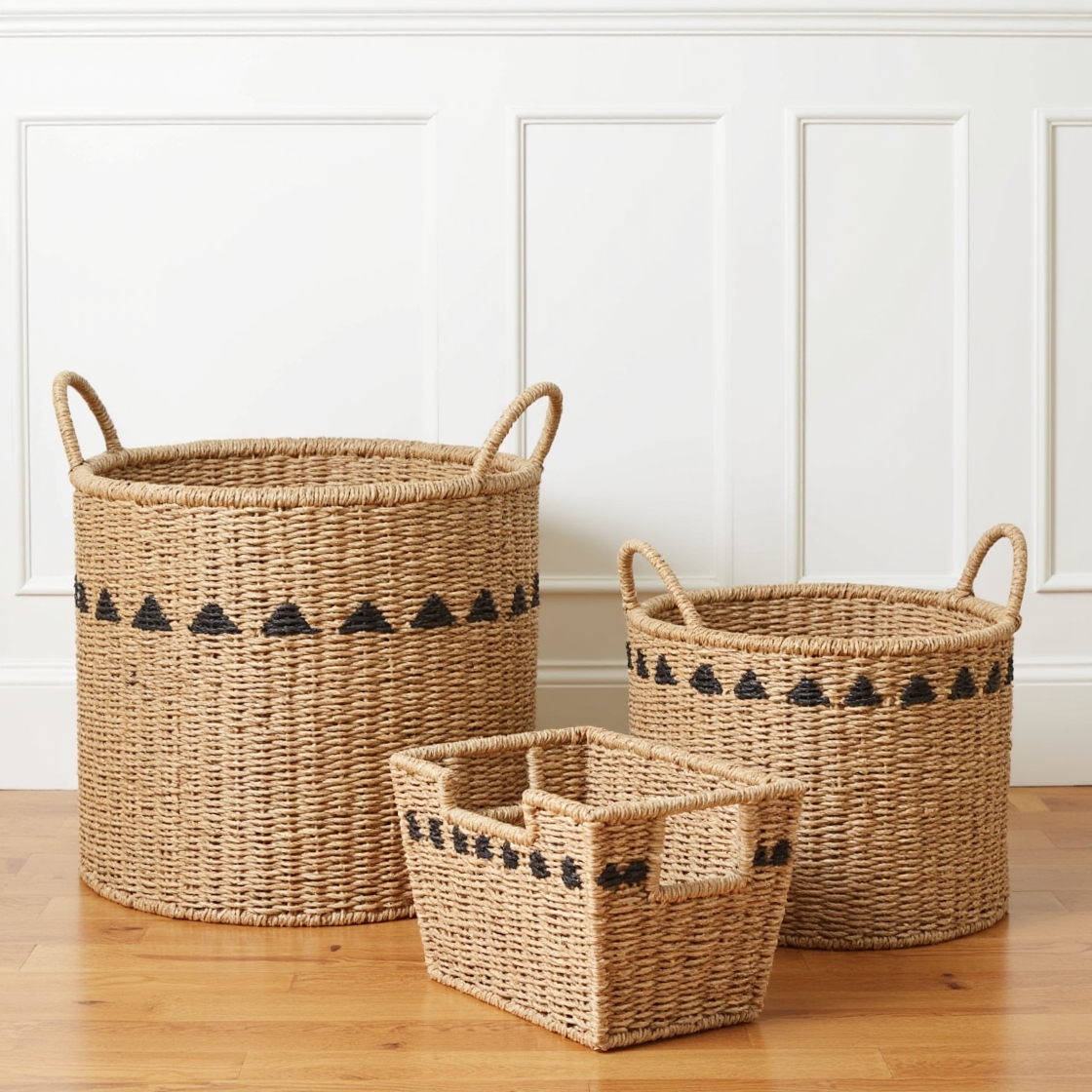
The 2025 interior design landscape reveals clear priorities among discerning homeowners:
Authenticity Over Imitation: Gone are the days of synthetic finishes masquerading as natural materials. Today's consumers want genuine textures—wood grains that invite touch, breathable fabrics, and calming tones that come from true natural sources, not chemical alternatives.
Quality That Lasts: The "buy less, buy better" philosophy dominates. Consumers understand that investing in well-made, sustainably-sourced pieces means they'll keep these treasures for years, not seasons. A handwoven basket or natural fiber throw isn't a trend—it's an heirloom.
Connection to Craft: There's a profound desire to support artisans directly. When buyers purchase from CHI Collection, they're not just acquiring a beautiful home decor item—they're preserving traditional craftsmanship and supporting communities that have mastered these skills across generations.
Health-Conscious Choices: With increased awareness of indoor air quality and chemical exposure, homeowners actively seek products made with natural materials and low-VOC finishes. Natural handicrafts inherently meet this demand, offering peace of mind alongside beauty.
.jpg)
The rise of sustainable home decor isn't merely environmental—it's deeply personal. When you choose natural fiber products like seagrass baskets, water hyacinth organizers, or handwoven placemats, you're selecting items that:
Biodegrade naturally at the end of their life cycle, returning to the earth without toxic residue
Require minimal processing, reducing energy consumption during manufacturing
Support renewable resources, many of which can be harvested repeatedly without depleting the environment
Carry cultural heritage, connecting you to traditional techniques refined over centuries
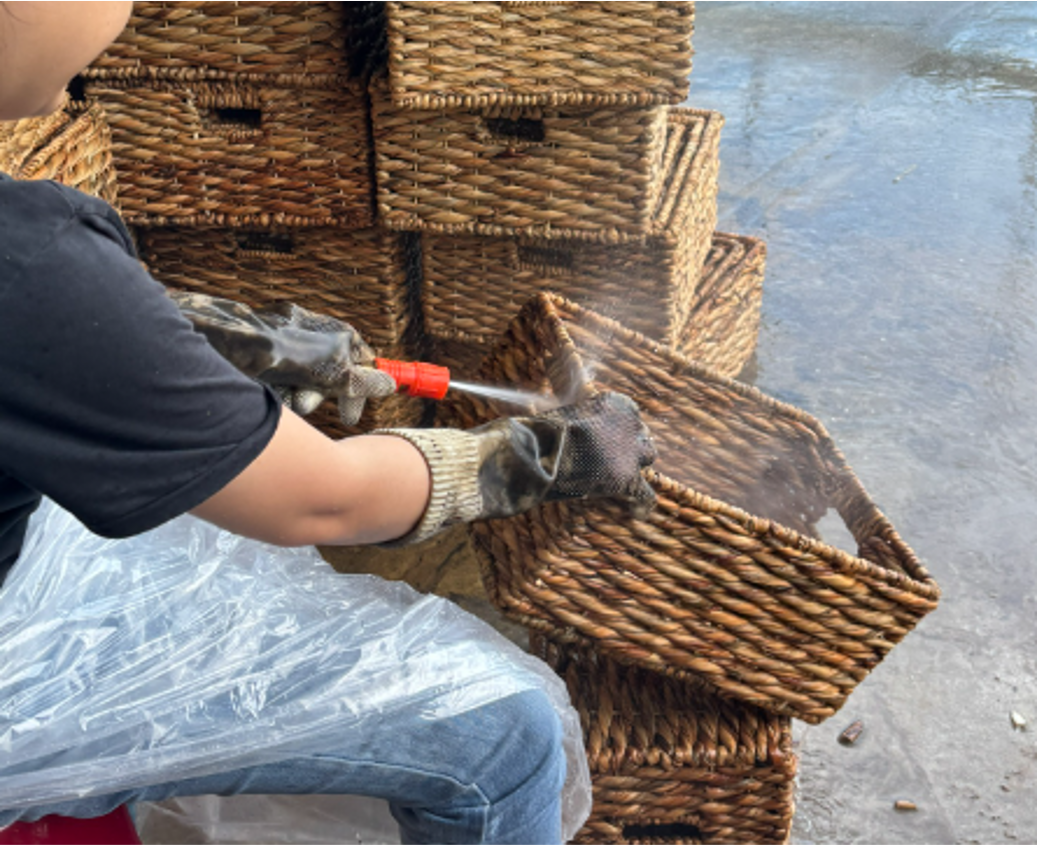
One of the most compelling aspects of natural handicrafts is their production model. Unlike furniture manufactured in centralized mega-factories, artisanal handicrafts are often produced locally in communities where raw materials grow. This localized production reduces transportation emissions significantly and supports local economies.
Vietnam's position as a global handicraft exporter demonstrates this perfectly. By sourcing from Vietnam's artisan communities, buyers access authentic, sustainably-produced items while supporting skilled craftspeople who depend on fair compensation for their expertise.
Interior designers are embracing what we call "biophilic sustainability"—bringing nature into our homes while actively protecting it. The color trends of 2025 reflect this philosophy:
Forest Green: Grounding and restorative, creating calm spaces
Warm Earth Tones: Comforting and stable, reminiscent of natural materials
Stone Gray: Sophisticated and calming, neutral backdrop for natural textures
These palettes pair beautifully with natural handicrafts. A handwoven seagrass basket against forest green walls, natural fiber throw pillows on warm-toned furniture, or water hyacinth organizers on stone-gray shelving—these combinations create spaces that feel both luxurious and responsible.
Choosing sustainable handicrafts is more than a design decision—it's a vote for the kind of world you want to live in. Every purchase tells a story:
The story of an artisan's skill and heritage
The story of responsibly harvested natural materials
The story of conscious consumption over disposable trends
The story of a home filled with intention and beauty
As we move deeper into 2025, several trends will shape the handicraft industry:
Circular Economy Leadership: Handicrafts are pioneering the circular economy movement, with artisans increasingly creating items designed for disassembly, reuse, and regeneration rather than disposal.
Transparency Through Technology: Blockchain and digital platforms are making supply chain transparency more accessible, allowing consumers to verify the sustainability claims of the products they purchase.
Artisan Partnerships with Luxury: Premium brands are increasingly partnering with traditional artisans, elevating handcrafted items to luxury status and ensuring fair compensation reaches producers.
Cultural Recognition: Global awareness of traditional crafts is growing, with consumers seeking items that connect them to diverse cultures and preservation of heritage techniques.

The beauty of sustainable handicrafts lies in their versatility. Whether you're furnishing a minimalist modern apartment, creating a cozy cottage aesthetic, or designing a luxury corporate space, there are natural, handcrafted solutions that enhance both the visual appeal and the ethical integrity of your environment.
When you choose CHI Collection's natural handicrafts, you're not just decorating your space—you're participating in a global movement toward more conscious, beautiful, and responsible living. You're choosing pieces that will age gracefully, carrying memories and stories for years to come.
Because true sustainability isn't about sacrifice. It's about choosing the best—for your home, for the artisans who create these treasures, and for the planet we all share.
CHI Collection specializes in exporting authentic, natural handicrafts including seagrass baskets, water hyacinth organizers, and sustainably-sourced home decor items from Vietnam. Each product is carefully selected and produced by skilled artisans using traditional techniques and renewable materials.
Learn more at chicollection.vn