The natural handicraft export market of Vietnam has witnessed impressive growth in recent years. In 2023, the industry's export value reached $4 billion. With a projected Compound Annual Growth Rate (CAGR) of 8.1% during the 2025-2033 period, the industry is forecast to reach $9.9 billion by 2033, indicating strong development potential in the future.
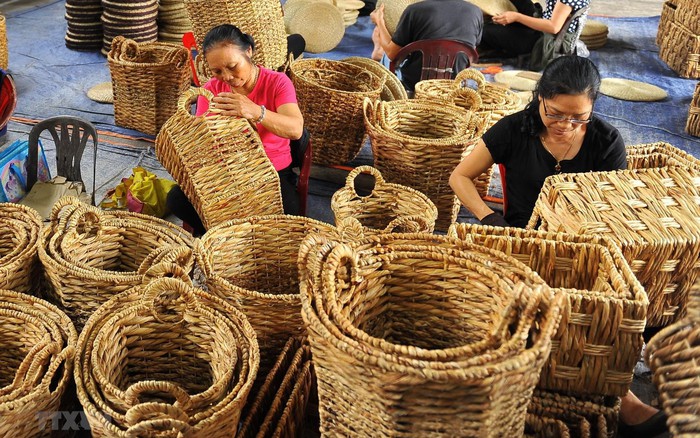
Vietnam currently holds the 3rd position globally in handicraft exports, trailing only China (accounting for 45% of the market share) and India (accounting for 22% of the market share). This demonstrates the recognition and popularity of Vietnamese handicraft products in the international market, while also posing a challenge to enhance competitiveness to surpass major rivals.
Strengths
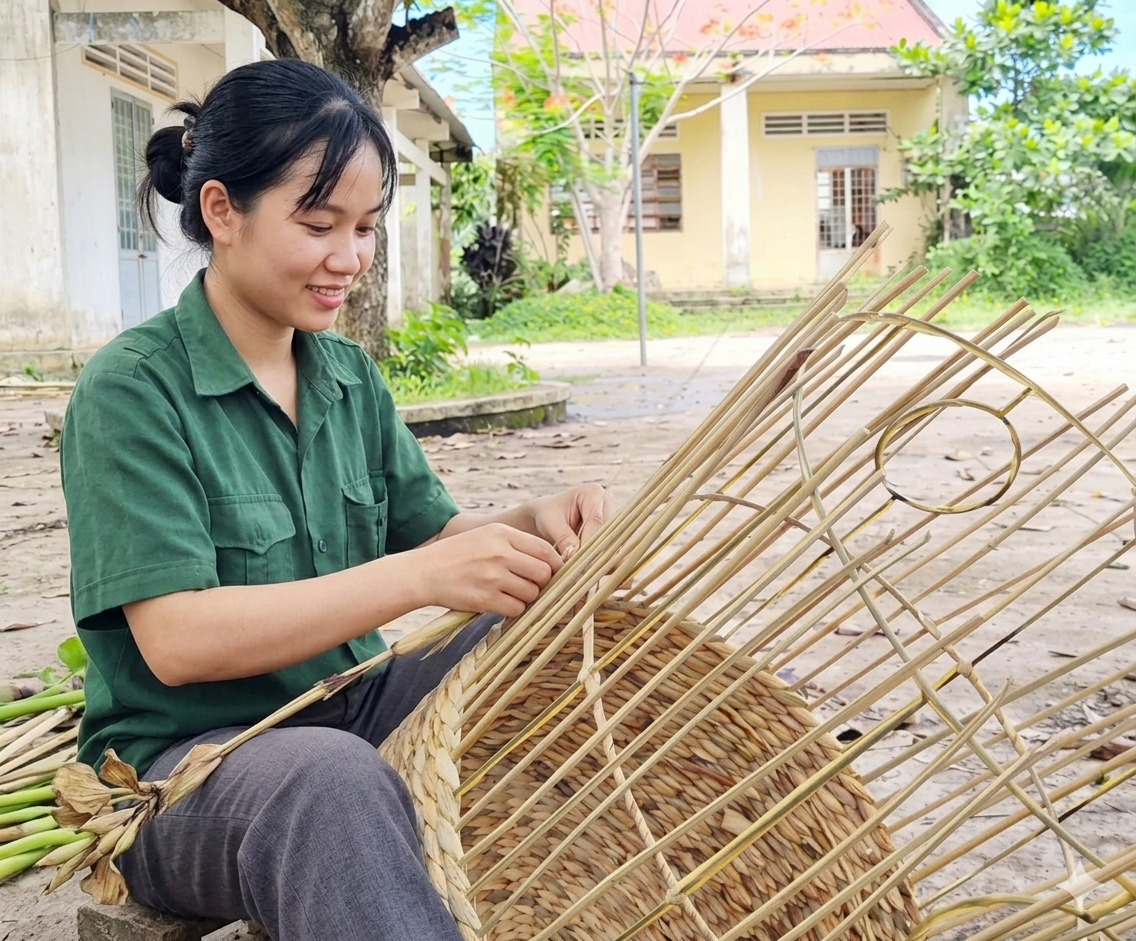
• Rich Traditional Craftsmanship: Vietnam boasts thousands of years of history in developing traditional crafts, passed down through generations. This has created a skilled and experienced team of artisans with creativity in producing unique products that embody the nation's cultural identity.
• Abundant Natural Resources: Vietnam has abundant natural resources such as bamboo, rattan, sedge, water hyacinth, wood, clay, etc. These are sustainable, environmentally friendly materials that meet the global trend of green consumption.
• Growing Export Value: As mentioned, the industry's export value has continuously grown, indicating large market demand and the adaptability of Vietnamese businesses.
• Government Support: The Vietnamese government has implemented various policies and programs to support and encourage the development of the handicraft industry, including policies on capital, training, and trade promotion.
Weaknesses
• Limited Scale Compared to Competitors: Although ranking 3rd globally, Vietnam's production and export scale is still significantly smaller than that of China and India. This affects price competitiveness and production volume.
• Reliance on Traditional Designs: Many Vietnamese handicraft products still retain traditional designs and have not yet innovated to suit the modern and diverse tastes of the international market. The lack of design innovation can reduce product appeal.
• Quality Control Issues: Manual production processes sometimes lead to inconsistencies in product quality. The lack of standardized processes and strict quality control can affect the reputation and competitiveness of Vietnamese products in the international market.
Opportunities
• Increasing Global Demand: Consumers worldwide are increasingly interested in sustainable, unique, personalized, and culturally valuable handicraft products. This presents a great opportunity for Vietnam's natural handicraft products.
• E-commerce and Digital Marketing: The development of e-commerce and digital marketing platforms opens up opportunities to access a wider global market, reduce intermediary costs, and enhance direct customer reach.
• Tourism and Cultural Promotion: Developing tourism helps promote handicraft products to international tourists, thereby increasing brand recognition and boosting sales.
Threats
• Fierce Competition: The global handicraft industry faces intense competition from countries with long-standing traditions and large production scales such as China, India.
• Global Economic Fluctuations: Macroeconomic factors such as inflation, economic recession, and exchange rate fluctuations can directly affect consumer purchasing power and export activities.
• Trade Barriers and Regulations: Import regulations, quality standards, and non-tariff barriers from importing markets can create difficulties for Vietnamese exporting businesses.
Competition
The global handicraft export market is a highly competitive arena. Vietnam, despite its significant achievements, still faces major competitors. China and India are currently the two leading countries in handicraft export market share. China accounts for 45% of the global market, while India holds 22%. This indicates that the production scale and market access capabilities of these two countries are superior to Vietnam's. To enhance its competitiveness, Vietnam needs to focus on creating high value-added products, unique designs, and ensuring stable quality.

Vietnam's natural handicraft industry is on a strong growth trajectory. Historical data and forecasts show that export value will continue to grow steadily from 2020 to 2033. Specifically, from $4 billion in 2023, this value is projected to reach $9.9 billion by 2033. This growth is driven by increasing international market demand for sustainable, environmentally friendly, and culturally rich handicraft products. Vietnamese businesses need to seize this trend to invest in production technology, improve product quality, and expand export markets.
The Vietnamese natural handicraft export market has great development potential, based on a rich traditional foundation, abundant resources, and government support. However, to truly break through and assert a leading position, the industry needs to overcome current weaknesses such as production scale, reliance on traditional designs, and quality control issues. Seizing opportunities from global demand, e-commerce, and tourism, while overcoming challenges related to competition and economic fluctuations, will be key for Vietnam's handicraft industry to achieve sustainable success in the future.
.jpg)