Water hyacinth (scientific name: Eichhornia crassipes) is a fast-growing aquatic plant that is native to South America. It has since spread to other parts of the world, including Africa, Asia, and North America, where it is considered an invasive species.
Water hyacinth is characterized by its thick, glossy, and green leaves that float on the water's surface. The plant produces beautiful purple-blue flowers that bloom above the water, making it an attractive addition to ponds and lakes. However, water hyacinth can rapidly reproduce, forming dense mats that cover the water's surface and blocking sunlight from reaching other aquatic plants.
Water hyacinth has been used in some parts of the world for various purposes, including as a food source, compost, and raw material for handicrafts.

What is a Water Hyacinth Basket used for?
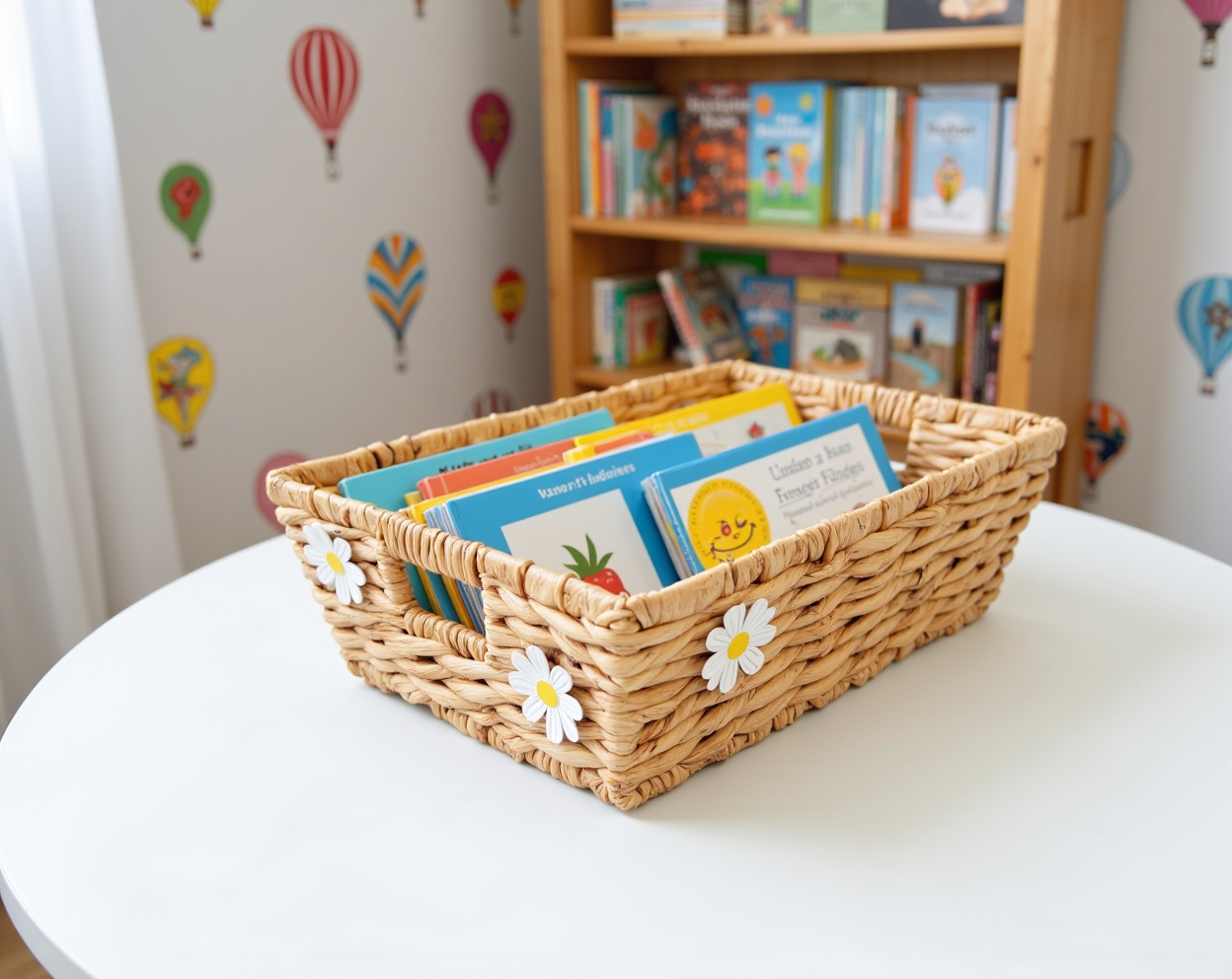
Water hyacinth baskets are woven baskets made from the dried stems and leaves of the water hyacinth plant. These baskets are often used for storage and organization purposes, such as storing clothing, towels, toys, or other household items.
Water hyacinth baskets are popular for their natural, rustic look and durability. They are also eco-friendly as they are made from a renewable resource and can biodegrade at the end of their life.
These baskets are widely available and can be found in various sizes and shapes, making them a versatile storage solution for different spaces and needs. Water hyacinth baskets can add a touch of natural warmth and texture to any decor style, making them a popular choice among interior designers and homeowners.
.jpg)
What is the production process for water hyacinth baskets?
The production process for water hyacinth baskets typically involves the following steps:
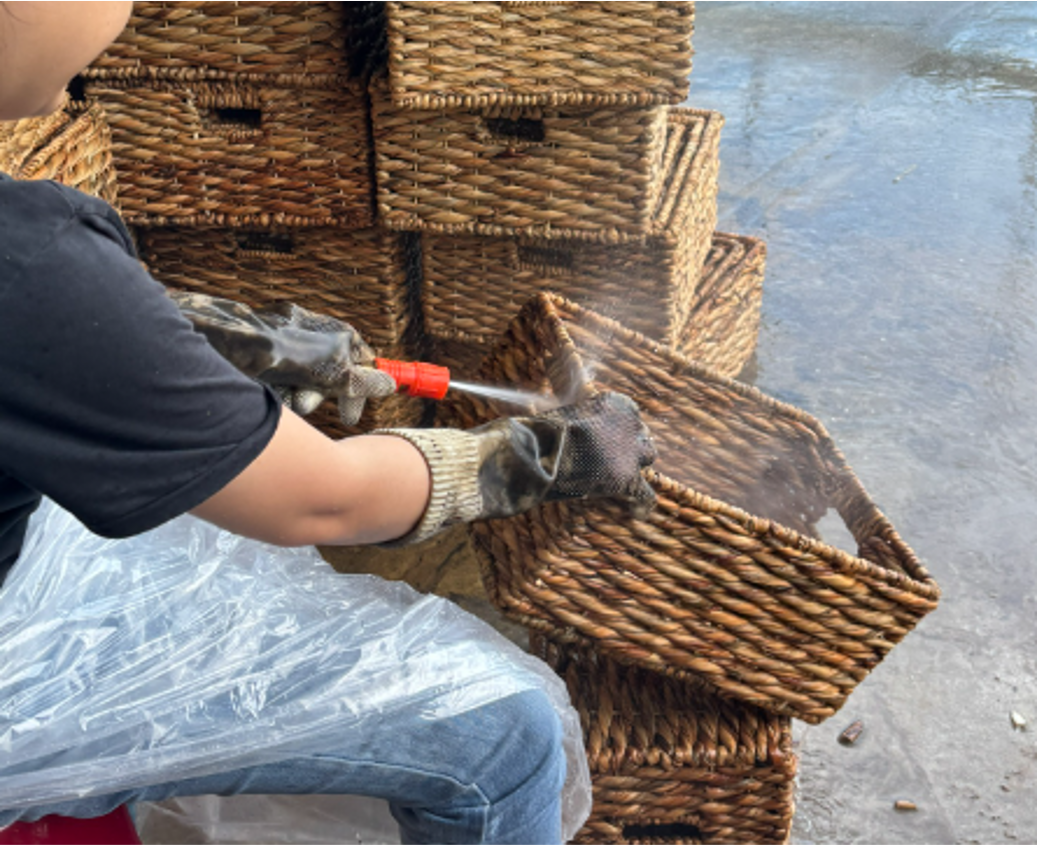
1. Harvesting: The water hyacinth plants are harvested from rivers, lakes, or ponds. The stems are then sorted and cleaned to remove any dirt or debris.
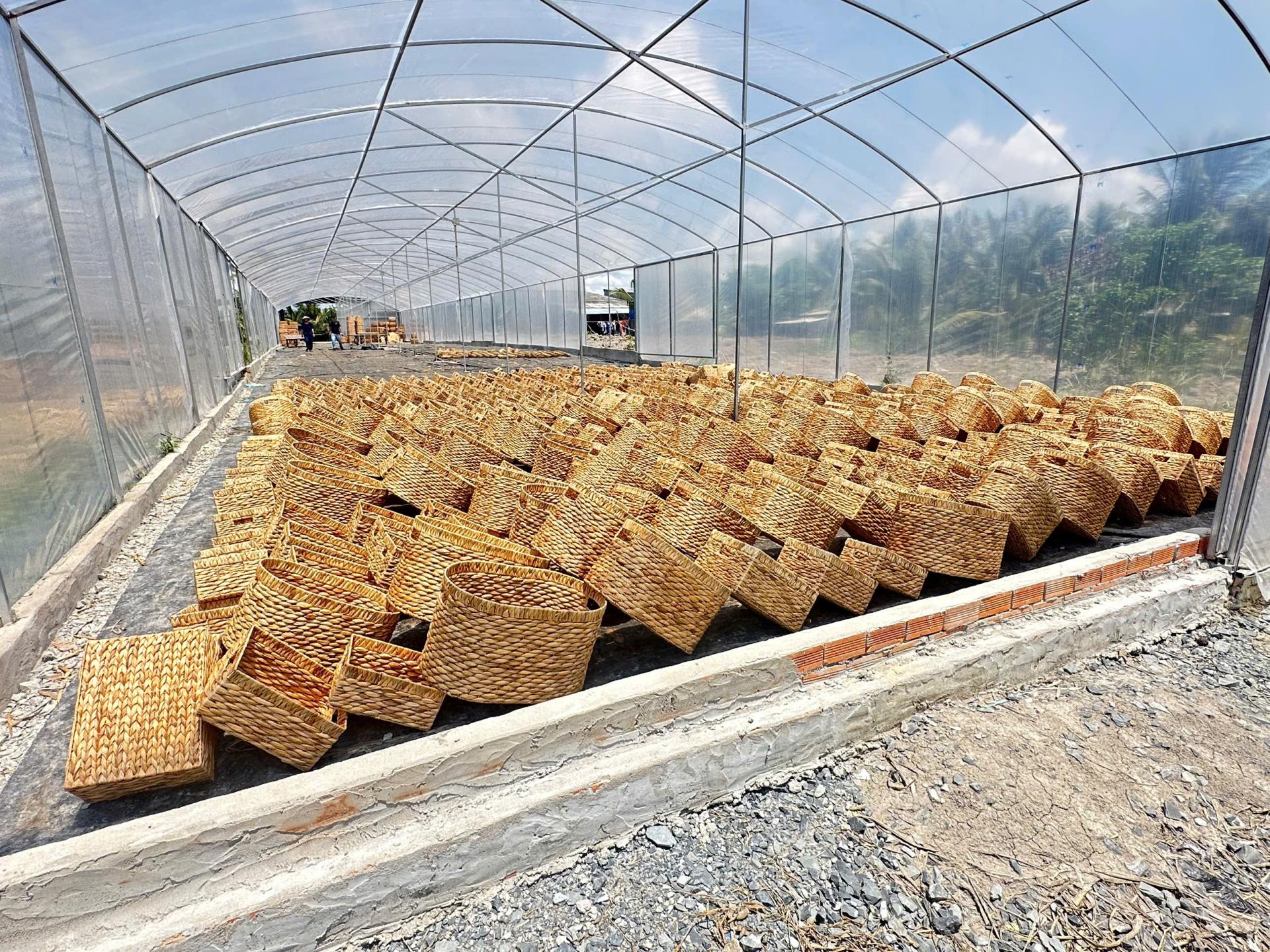
2. Drying: The stems are left to dry in the sun for several days until they become dry and brittle. This makes them easier to weave.
3. Weaving: The dried stems are then woven together to create the basket's shape and size. The weaving technique used depends on the desired design and pattern of the basket.
4. Shaping and trimming: Once the basket is woven, it is shaped and trimmed to achieve the desired shape and size.
5. Finishing: The basket is then finished with any additional details or accessories, such as handles, lids, or embellishments.
6. Quality control: The finished baskets are inspected to ensure that they meet the required standards for quality and durability.
7. Packaging and distribution: The baskets are then packaged and distributed to retailers or customers.
Overall, the production process for water hyacinth baskets is a labor-intensive process that requires skilled artisans to ensure that the baskets are made to the highest quality standards.
Water hyacinth baskets are fairly low maintenance, but there are a few care instructions that can help to ensure that they last longer and remain in good condition:
Keep them dry: Water hyacinth baskets are prone to mold and mildew if they are left damp for extended periods. To prevent this, avoid exposing them to moisture or water. If the baskets do get wet, dry them thoroughly before storing them.
Avoid direct sunlight: Direct sunlight can cause the water hyacinth fibers to fade and weaken over time. To prevent this, store the baskets in a cool, dry place away from direct sunlight.
Clean them regularly: Use a soft brush or a dry cloth to remove any dust or debris from the baskets. If they are heavily soiled, you can use a damp cloth to gently clean them. Avoid using any harsh chemicals or detergents as these can damage the fibers.
Use them carefully: Water hyacinth baskets are fairly sturdy, but they can become misshapen or damaged if they are used roughly or overloaded. Use them to store items that are appropriate for their size and weight.
Handle them gently: When moving or transporting the baskets, handle them gently to avoid damaging the fibers or the weaving. Avoid dragging them across rough surfaces or bumping them against hard objects.
By following these care instructions, you can help to ensure that your water hyacinth baskets remain in good condition and continue to look beautiful for years to come.
Are Water Hyacinth Baskets Safe for Users?
Water hyacinth stems are natural, non-toxic fibers that don’t go through detrimental processing with chemicals and is commonly used in various crafts and products such as baskets, furniture. Water hyacinth baskets are a safe and eco-friendly storage solution that can add a natural and rustic touch to any home decor, as long as they are used for their intended purpose and maintained properly.
However, water hyacinth baskets are not intended for use with food or in areas where they may come into contact with food. This is because the baskets are not food-grade and may contain dirt or other contaminants that could pose a health risk.